
By Skye Ferguson

South Korea’s education system is often hailed as one of the best in the world, with top rankings in international standardised tests like PISA (Programme for International Student Assessment) and an impressive literacy rate of 98.8%. Its rigorous structure has fuelled the country’s rapid economic development since the Korean war, transforming into a global powerhouse. However, this success comes with a cost: the immense pressure it places on students and families, combined with concerns that the system’s focus on rote learning may hinder creativity and innovation in an era where these skills are ever more fundamental. As South Korea navigates the demands of a rapidly evolving global landscape, the challenge lies in reimagining its education system to balance academic excellence with the encouragement of creativity and well-being.
Academic Excellence
At the heart of the country’s Confucian-influenced education system lies a deep cultural emphasis on academic achievement. The annual College Scholastic Ability Test (CSAT) for high school students runs over 8 hours, testing multiple subject areas. It is a test so important that it even temporarily disrupts air traffic across Korea. College admission is heavily based on one’s CSAT score, creating intense competition such that many parents enrol their children in private tutoring centers (hagwons) outside of regular school hours, from a very early age. Children spend many hours in hagwons, with some spending 16 hours or more a day studying, preparing for the CSAT to fight for a place at university.
The intensity of the system has contributed to South Korea’s highly skilled workforce and in turn to the country’s economic rise, with 70% of 24 to 35-year-olds in the nation having completed some form of tertiary education. This is the highest percentage worldwide and more than 20 percentage points above comparable attainment rates in the United States. But while South Korea’s education system has fuelled impressive academic and economic outcomes, it has also created significant challenges for students, families, and society as a whole.
Problems with the System
The heavy reliance on private tutoring centers, or hagwons, places a substantial financial burden on families. On average, private tutoring costs a Korean household about 10% of their income, with households in the first quarter of 2024 spending more on the tutoring than food and housing combined. This exacerbates inequalities, as poorer families will struggle to afford to send their children to hagwons, reducing equal opportunities. These high costs have even been linked to the declining birth rate in South Korea, which is the lowest in the world, having fallen by 8% in 2023 to 0.72 births per woman. Private education is so costly that couples have become discouraged from having children at all, particularly as a public education alone is often viewed as insufficient for securing a high CSAT score. With only 2% of parents not paying for private tuition, South Korea is now considered the most expensive country in the world to raise a child.
Additionally, it can be argued that the system’s focus on a single exam creates a narrow definition of success. It neglects the holistic approaches seen in countries like the United States, where college admissions also consider extracurricular activities, personal essays, and interviews. Korean society has been described as having “almost cult-like devotion to learning,” with students being “test-aholics” steered by “tutor-aholic” parents. This is caused in large part by the pressure to achieve a high CSAT score, with schools often lacking emphasis on critical thinking, creativity and problem solving skills, in favour of focussing on exam content. Because of this, students may excel in memorisation, but struggle when faced with real-world challenges. Thus, the country’s education system is set up to produce young adults who may be ill-prepared for the workforce, as they lack these skills essential to success in adulthood. Along with this, the high percentage of young people with degrees has meant that the job market has become extremely competitive, leaving many Korean graduates struggling to find employment despite their academic achievements.
The pressure that South Korean students face to succeed academically is immense. It is proving to take a toll on the mental health of teens in the country, with 27% of adolescents in Korea having experienced suicidal ideation, and 40% reported that it was due to academic stress. There is also a growing teenage drinking problem in Korea.
All of these challenges highlight the urgent need for reform in South Korea’s education system. Efforts to address these issues must focus on reducing academic pressures while introducing measures that promote creativity, holistic learning, and mental health support, ensuring a more balanced and inclusive approach to education.
Efforts to Reform
Recognising the deep-rooted issues within its education system, the South Korean government has made some attempts at reform. One of the most significant policies has been the introduction of a curfew on hagwons, limiting their operating hours to reduce excessive studying. The law was passed to prevent private tutoring centers from operating past 10 PM, aiming to curb student exhaustion and lower the financial cost of tuition for families. However, the plan has largely backfired with many students continuing to study late into the night, as the CSAT remains the ultimate determinant of university admission. Concerns about the lack of creativity fostered in the education system, and lack of acknowledgement of talent beyond academic grades in the university admissions process, have also been raised and are being addressed in reforms.
Mental health support has also gained attention, as student well-being has become a growing concern. Some schools have introduced programmes to help students cope with academic pressures, although students have expressed dissatisfaction with these services due to the disregarded relationship between students and counsellors, and the lack of confidentiality. In general, the most significant barrier to reform seems to be Korean cultural expectations regarding academic success. These may mean that many students and families remain reluctant to prioritise mental health over education, hence why students continue to overwork even with the hagwon curfew. These expectations will be difficult to address and change, but efforts to reform the university admissions system may help to steer society in the right direction.
Conclusion
South Korea’s education system has undoubtedly played a critical role in the country’s rapid economic rise, producing a highly skilled workforce that has propelled its global competitiveness. However, the system’s relentless focus on academic performance has also led to significant societal costs, including financial strain on families, declining birth rates, mental health crises, and concerns over a lack of creativity in the workforce. While schools and the government have acknowledged and begun to address these issues, deep-rooted cultural expectations continue to reinforce the current system and limit the effect of any reforms.
Without some shift in the cultural definition of success, to extend beyond just academic success, the country risks producing generations of students who are academically accomplished yet ill-prepared for an evolving global economy. The price of excellence should not come at the expense of innovation and well-being; rather, South Korea must find a way to balance these alongside strong academic results.
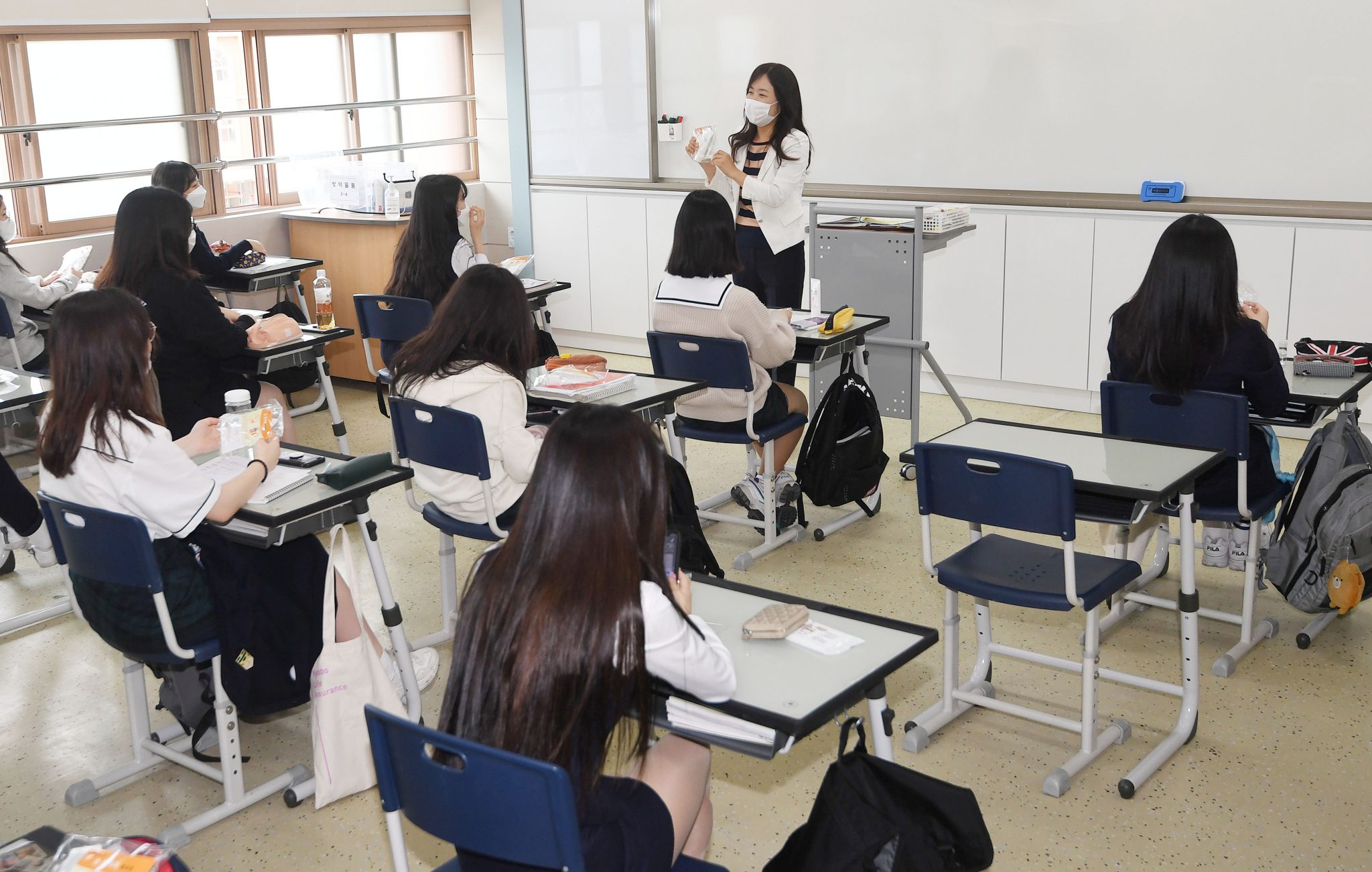
Photo from East Asia Forum Website
The views expressed in this article are the author’s own, and may not reflect the opinions of The St Andrews Economist.