
By Skye Ferguson

The world is at a critical juncture in the fight against climate change, with rising global temperatures and increasing pressure on natural resources making the need for action more urgent than ever. Amid this crisis, Huang Yiping, dean of the National School of Development at Peking University, has called for a “Global South Green Development Plan” using surplus industrial capacity in China to help developing countries achieve a green transition through commercial and policy tools as well as aid. This bold vision could redefine the global response to climate change. So with developed nations currently lacking both the willingness and capability to lead global green development, can China step up and lead?
The country is an industry leader in green energy sectors, and this, alongside its overcapacity and economic influence in the Global South, makes it uniquely positioned to lead the way. However, this opportunity also brings significant challenges, from economic pressures to geopolitical tensions. The success of this vision could shape not only China’s legacy but also the future of the planet.
Huang Yiping’s Vision
The Global South Green Development Plan was proposed in late May of last year, and has been compared to the United States’ Marshall Plan after the Second World War, in that China can help green development in the Global South by providing both technological assistance and financial support. The plan has two other objectives: to expand China’s aggregate demand and enhance the country’s global leadership. To solve the problem of overcapacity in China’s green energy sectors, the GSGDP would provide financial support for Global South countries to buy Chinese low-carbon goods, stimulating demand for Chinese manufacturers’ products and supporting green transformation and economic development around the world.
China is well suited to lead this initiative, as the world’s largest market for electric vehicles for the eighth consecutive year in 2022. Its dominance in renewable energy industries, such as solar panels and wind turbines, positions it as a vital supplier of low-carbon technologies for developing nations. Additionally, with economic growth slowing and President Donald Trump’s recent return to office in the US, the plan’s dual role in boosting the country’s economy is needed now more than ever. Successful global green development depends critically on progress made in the Global South, which unfortunately lacks the necessary funding and technology. According to a United Nations study, developing countries have an annual shortfall of US$1.75 trillion in investment for the energy transition. Developed nations including the US are often reluctant to contribute to this funding, but if China acts first, the US and its allies may be encouraged to do more to help. However, whether this initiative will be sufficient to effectively combat climate change in the Global South, or whether it risks exacerbating global rivalries, remains an open question.
Challenges of the GSGDP
While the Global South Green Development Plan offers a compelling vision for global green development, it is not without significant challenges and risks. The Chinese government has shown concern that it might be pushed to over-commit on both emission reduction and financing, even as the country already leads on both fronts, and this may undermine the initiative’s potential. Balancing domestic priorities in boosting the economy with the significant financial demands of the GSGDP will require careful planning and strategic allocation of resources.
Additionally, collaboration with developed nations, particularly the US, seems unlikely. President Trump withdrew the US from the Paris Agreement for the second time in January, with his ‘America First’ foreign policy and his belief that climate change is “all a big hoax” leaving little room for American contribution to the GSGDP. This potentially leaves China to bear the financial and logistical burden of supporting the Global South alone, which may strain its resources. Trump’s threatened 60% tariffs on Chinese imports in his second term also complicate the economic landscape, as these would limit the plan’s impact of boosting the country’s economy.Finally, China’s previous investments into the Global South under the Belt and Road Initiative have faced criticism for creating debt dependency in recipient nations. For example, many countries including Sri Lanka, Laos and Kenya are struggling with BRI debt. At the same time, skepticism over China’s commitment to genuine green leadership persists. The country continues to rank poorly on the Climate Change Performance Index at 55th this year with an overall score of 44.2, reflecting concerns that its rapid expansion of coal-fired power plants directly contradicts its green ambitions.
In addition, China’s dominance in green energy is not solely driven by climate concerns, but also by economic growth incentive. Companies like CATL and BYD, key players in the electric vehicle and battery sectors, should benefit greatly, with the green industry contributing to up to 40% of China’s GDP. Furthermore, China’s state-backed subsidies have allowed its EV manufacturers to sell vehicles at artificially low prices, triggering an EU investigation and potential tariffs. These factors raise questions about whether China’s push for green development is primarily a strategic economic move rather than a commitment to global climate leadership. Thus, ensuring that recipient countries can manage the financial commitments associated with green development projects will be critical to the plan’s long-term success and credibility.
Conclusion
The Global South Green Development Plan represents a bold and ambitious effort to address one of the most pressing challenges of our time: transitioning the developing world toward sustainable, low-carbon growth. As a global leader in green energy, China has the potential to make a huge difference through this initiative, even when the challenges highlighted above are considered. It is clear that China alone cannot accomplish the mission of global green development, but even without the help of the United States, the country could make significant progress on its own. Other countries or international organisations may also be willing to work with China, particularly European countries to mobilise global resources and the World Bank and International Monetary Fund to mobilise climate finance.
For the initiative to succeed, China must build trust among recipient nations and avoid creating debt dependency, and effectively balance its domestic economic priorities alongside the plan’s financial demands. While these aspects may prove challenging, the GSGDP presents an unprecedented opportunity for China to redefine its role on the global stage. Not only would developing nations benefit from it, but China can too, with Huang Yiping noting that the plan could create a positive cycle of “benefiting others while benefiting oneself.”
By taking bold, calculated steps, China could demonstrate that leadership in climate action is not a zero-sum game but a shared responsibility, and hopefully inspire developed nations to increase their support for developing nations.
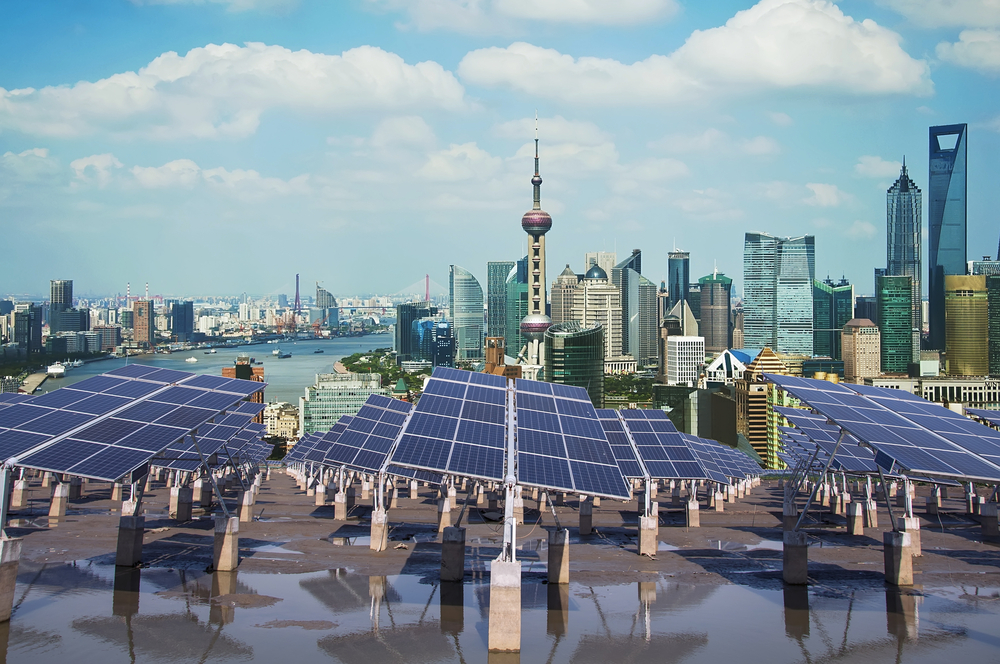
Photo from Foreign Policy in Focus Website
The views expressed in this article are the author’s own, and may not reflect the opinions of The St Andrews Economist.