
By Ana Sunjka
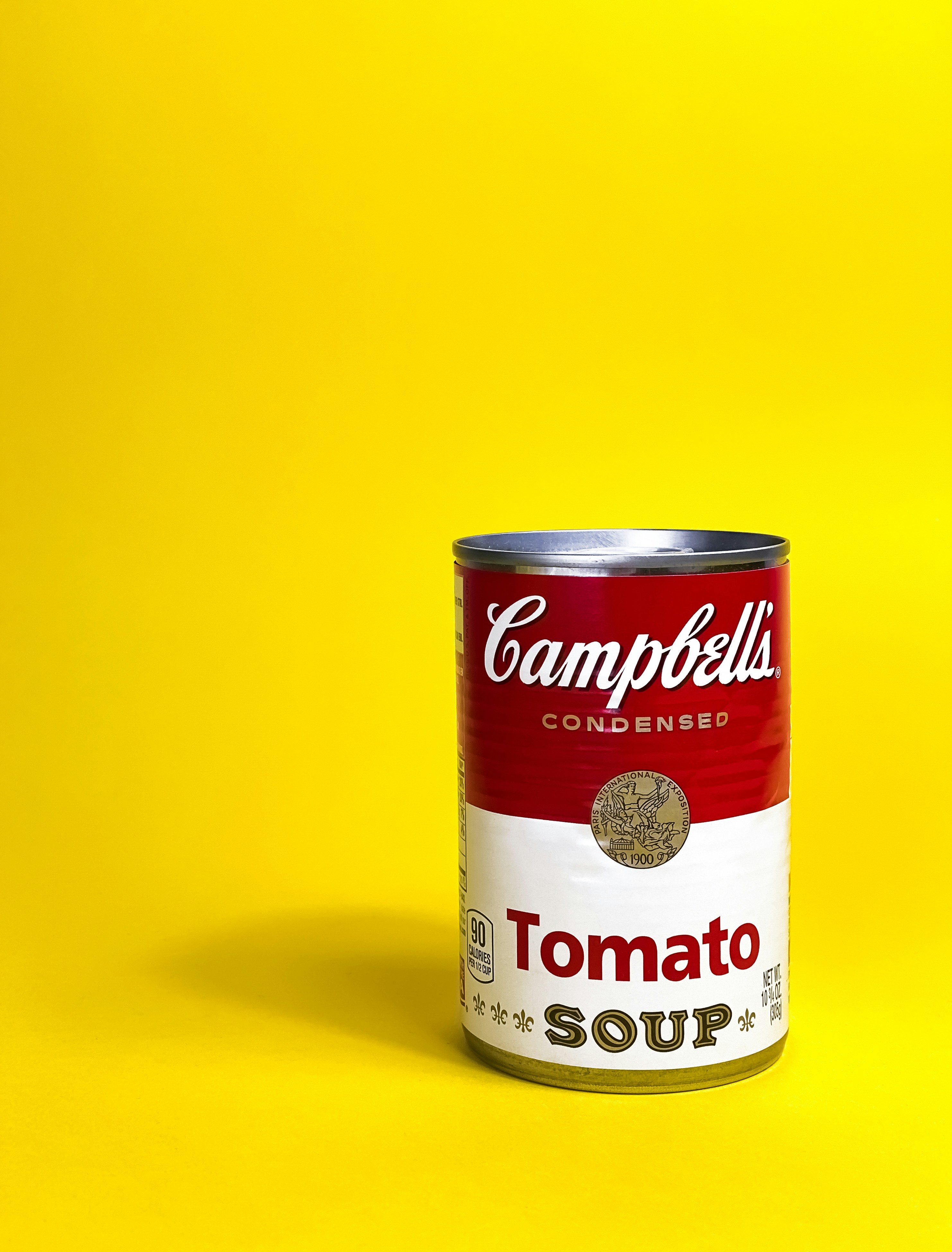
Have you ever wondered why images as simple as Cambell’s soup cans can be worth $11.8 million? While this value may seem completely absurd, there’s a deeper story behind the price tag that’s worth exploring. Throughout the 20th century, pop art fundamentally changed the art world, revolutionizing how it was created, consumed, and commercialized. Its influence hit the art community by storm by rejecting neglecting traditional fine art in favor of adopting everyday consumer culture, uniting elite and popular culture, and sharing a clear critique on the rise of mass media and commercialism. Central figures like Andy Warhol understood how to commodify art, turning creativity into a multimillion dollar business in ways previously unimaginable. With Warhol as a frontman, pop artists molded art into a brand, creating a new wave of financial opportunities.
Pop art emerged in the late 1950s in Britain and America, with the goal of overthrowing classic artistic approaches and personal interpretations of abstraction. Pop artists found inspiration from widely produced, everyday goods, mass media, and consumer culture rather than from the pure emotional and creative experience emphasized by abstract expressionism. The pioneers of the movement Roy Lichtenstein, Claes Oldenburg, and Andy Warhol utilized simple commercial practices such as screen printing to produce their art. However, many were quick to critique it for being nothing more than a “cynical commentary on consumerism.” Despite the initial criticism faced by pop art’s emergence, its appeal emerged from its accessibility, as the movement aimed to make art less exclusive and more available to a broader audience. In essence, pop art reflected items and imagery that were already around us—Campbell’s Soup cans, Coca-Cola bottles, celebrity portraits, and comic book characters. Pop artists mirrored the culture of consumption and celebrities that were growing rapidly in post-war society. In no time, pop artists discovered a niche in the art market that opened the doors to billions of dollars.
While many artists refused to commodify their work, Andy Warhol famously embraced it. His art was about mass production, branding, and marketability. Warhol used the simple strategic mix of capitalism and advertising in his work. His use of silk screen printing allowed him to mass-produce art in a way that was previously unheard of. Combining hand-painted backgrounds with photographic prints, he was able to craft artworks that merged both mechanical and human elements. By aspiring to work like a machine, as he famously stated, Warhol sought to redefine artistic production, focusing on efficiency and repeatability. But this was only the beginning. Warhol transformed the role of an artist into that of a brand, blurring the line between art and product. He quickly realized that by multiplying his artworks, he made his work more widely available, without devaluing it. Instead, it increased its exclusivity and desirability. Warhol soon learned that rarity alone doesn’t create value; cultural cachet and demand do. To traditional artists and art critiques, Warhol was probably a complete enigma since his approach to branding wasn’t limited to his art at all. His own persona became a central aspect of his business. He branded a whole lifestyle—surrounding himself with celebrities, creating The Factory as a creative hub, and becoming a media figure. This was all part of his overarching strategy. Warhol wasn’t just selling art; he was selling Andy Warhol. He treated his identity as a commodity, which in turn, increased the monetary and cultural value of his work.
Pop art, built on the grounds of consumerism, was perfectly positioned to capitalize on the changing art market. During the 1960s and 1970s, the art market started to adapt to its new framework consisting of artists, art dealers, commercial entities, and auction houses. Art was no longer solely tied to galleries and private collections. The art market itself was becoming increasingly corporate, with marketing and advertising becoming key components of the industry’s expansion.
Art dealers played a significant role in this shift. For Warhol and his peers, networking with influential galleries and dealers was crucial. For instance, Leo Castelli, an influential art dealer, was fundamental in turning pop art into a commodity in New York, selling the works of Liechtenstein, Jasper Johns, and similar. The auction houses quickly established themselves in the new art economy, capitalizing on the growing demand for contemporary art. They quickly became major financial spectacles, where pop art pieces secured exceedingly high prices. Consequently, the auction system established the economic power of branded artists, reinforcing the idea that a Warhol or Lichtenstein was not just a painting, but a cultural investment. Beyond selling original works and prints, pop artists also embraced the world of licensing. Warhol’s collaboration with companies such as BMW and his creation of album covers for iconic musicians like The Velvet Underground served as a blueprint for pop artists on how to expand their brand further. In this example, licensing deals allowed artists to reach a broader audience, making the branding more valuable than the artwork itself.
What Warhol and other pop artists pioneered—turning art into a brand—laid the groundwork for the contemporary art market, where branding and celebrity status outweigh the qualities of the artwork itself. Today’s pioneers, with recognizable names like Banksy, Jeff Koons, or Damien Hirst, carry immense financial power. Following in Warhol’s footsteps, they realize that their persona, notoriety, and market positioning are just as important as the art they produce. Banksy in particular presents a unique case. Although originally refusing to sell his art, Banksy’s shrewd control of his brand and anonymity has turned his art into a global commodity. His works are auctioned at astronomical prices, even though his anti-commercial stance remains part of his mystique. Another popular figure, Jeff Koons, creates large-scale sculptures with the help of teams of craftsmen, much like Warhol’s Factory model. In other words, Koons is simply the brains and image of his masterpieces, while the creation of his artworks is outsourced to his team. In the auction market today, the branding of the artist, as opposed to the rarity or quality of the piece, tends to be the primary driver of prices. Warhol’s “Silver Car Crash (Double Disaster)” fetched over $105 million in 2013, highlighting how the economic value of his work continues to rise.
Beyond the art world, the pop art movement still continues to leave significant impacts on fashion, film, design, and even corporate branding. Warhol perfected the high art and commercialism, establishing a foundational strategy used in modern advertising today. Often brands leverage the visual elements of pop art to design campaigns targeted at consumers. They also collaborate with artists and social media influencers to produce limited-edition products or marketing advertisements that merge artistic significance with commercial interest, boosting product demand. The foundation of influencer culture, so prevalent today, mirrors the work of pop artists.
The economic success of pop art, especially as embodied by Andy Warhol, represents a major shift in the way art and commerce interact. With pop art as a benchmark, art became more closely tied to marketing and commerce. Warhol recognised the value of art beyond its craftsmanship and deep meaning, recognising the role of art in marketability, social influence, and cultural impact. By merchandising himself into a brand and implementing mass production and consumerism practices, Andy Warhol changed the rules of the game. Today, the lessons learned from Warhol’s blending of creativity and business remain central to how art is bought, sold, and valued, proving that in the world of pop art, branding is everything.
The views expressed in this article are the author’s own, and may not reflect the opinions of The St Andrews Economist.
Image: Anastasia Badun via Unsplash