
By Abigail Li
As the U.S. prepares for the upcoming presidential election, energy emerges as a critical contention point. Adverse developments in green energy projects and improving trends in natural gas have made the energy sector a focal point of both economic discussions and political maneuvering. In July, issues on energy created stark political implications for President Biden and Vice President Harris as Harris began her presidential run, and Republicans sought to criticize the Biden-Harris administration’s energy policies at the Republican National Convention.
Green-Energy Setbacks and Challenges
The green energy sector has faced significant hurdles recently, casting a shadow over its promising potential. The Wall Street Journal reported a high-profile incident at the Vineyard Wind project off the coast of Massachusetts, a central offshore wind farm intended to power approximately 400,000 homes. The project suffered a significant setback when a massive turbine blade broke, halting construction and power generation. This incident drew attention to the reliability issues within the offshore wind industry, a cornerstone of President Biden’s climate agenda.
The offshore wind industry has struggled to cement its place as America’s next primary energy source. The past few years have been a tumultuous period for the industry, with the cancellation and postponement of several proposed wind farms in Connecticut, Massachusetts, New Jersey, and New York. The New York Times cited inflation and rising interest rates as key factors behind these projects’ failures.
The challenges extend beyond offshore wind. Biofuels, another critical component of the green-energy transition, have struggled with market oversupply and squeezed profit margins. Shell and BP, two of the most prominent investors in renewable diesel and sustainable aviation fuel, have encountered significant setbacks. Shell paused construction on a central biofuel plant in the Netherlands, culminating in a $780 million impairment, while BP abandoned several biofuel refinery projects.
Natural Gas: A Reliable Alternative?
In light of these green energy struggles, natural gas has witnessed a resurgence as a reliable energy source. In an earnings call, Shell Chief Executive Officer Wael Sawan stated that currently, “the only credible solution that gives you both energy security and decarbonizes the energy system” is liquefied natural gas (LNG).
Shell and BP have shifted their focus to liquefied natural gas, viewing it as a more stable and profitable alternative. Shell plans to increase its LNG volumes by up to 30% this decade, and BP is expanding its LNG portfolio, aiming for 30 million tons by 2030. While LNG is cleaner than coal, environmental concerns such as methane leaks and flaring remain significant. Despite these challenges, energy companies view LNG as a more viable option, given the volatility of biofuels.
Moreover, the U.S. crude oil market has seen notable movements, with crude oil inventories falling for the sixth consecutive week. However, the U.S. Energy Information Administration released data supporting figures showing a rise in crude oil product stocks as refineries increased their capacity. This decline in inventories, coupled with rising gasoline and distillate stocks, reflects the complex dynamics of the current energy landscape.
Political Implications for Biden and Harris
The recent setbacks in the green energy sector and the reliance on natural gas have significant political implications for President Biden and Vice President Harris as they approach the 2024 presidential election. Due to these challenges, the administration’s ambitious climate agenda, which heavily promotes green energy, faces scrutiny. Rising electricity bills, driven by extensive investments in upgrading infrastructure and building green energy projects, have become controversial.
High energy costs, particularly in states like California, pose a substantial political risk. According to the Wall Street Journal, California’s aggressive push towards renewable energy has resulted in some of the highest power bills in the U.S. State utility corporations investing billions to upgrade infrastructure and build green energy projects. These changes have led to soaring electricity bills for residents, who have reported electricity bills even surpassing rent prices as utilities pass on their increased costs to consumers.
At the Republican National Convention, several speakers criticized President Biden’s energy policies, blaming them for the spike in gasoline and electricity prices that have occurred since 2021. While global market forces play a substantial role in determining energy prices, the administration’s policies have become a focal point of political debate.
Former President Donald J. Trump has promised to encourage more domestic drilling and reduce restrictions on fossil fuels, drawing a sharp contrast to the Biden administration’s focus on renewable energy. While Biden has historically taken a clear stance in support of offshore wind, presidential candidate Trump now poses a crucial risk to the industry. As he is seeking his second term in the White House, Trump reaffirms his commitment to end the progression of new offshore wind projects on “day one” of his presidency, painting a startlingly different energy landscape for the United States.
The outcome of this political battle will significantly impact the future direction of U.S. energy policy. The interplay between green-energy struggles, natural gas trends, and political implications creates a high-pressure environment for the Biden-Harris administration which is working to boost approval ratings as they approach the end of their term. Addressing the economic impacts on households, ensuring a reliable energy supply, and balancing environmental goals with financial realities will be crucial goals for both political parties. Both administrations’ ability to mitigate these challenges effectively in today’s intricate economic landscape will play a critical role in shaping voter sentiment and the 2024 election outcome.
The views expressed in this article are the author’s own and may not reflect the opinions of The St Andrews Economist.
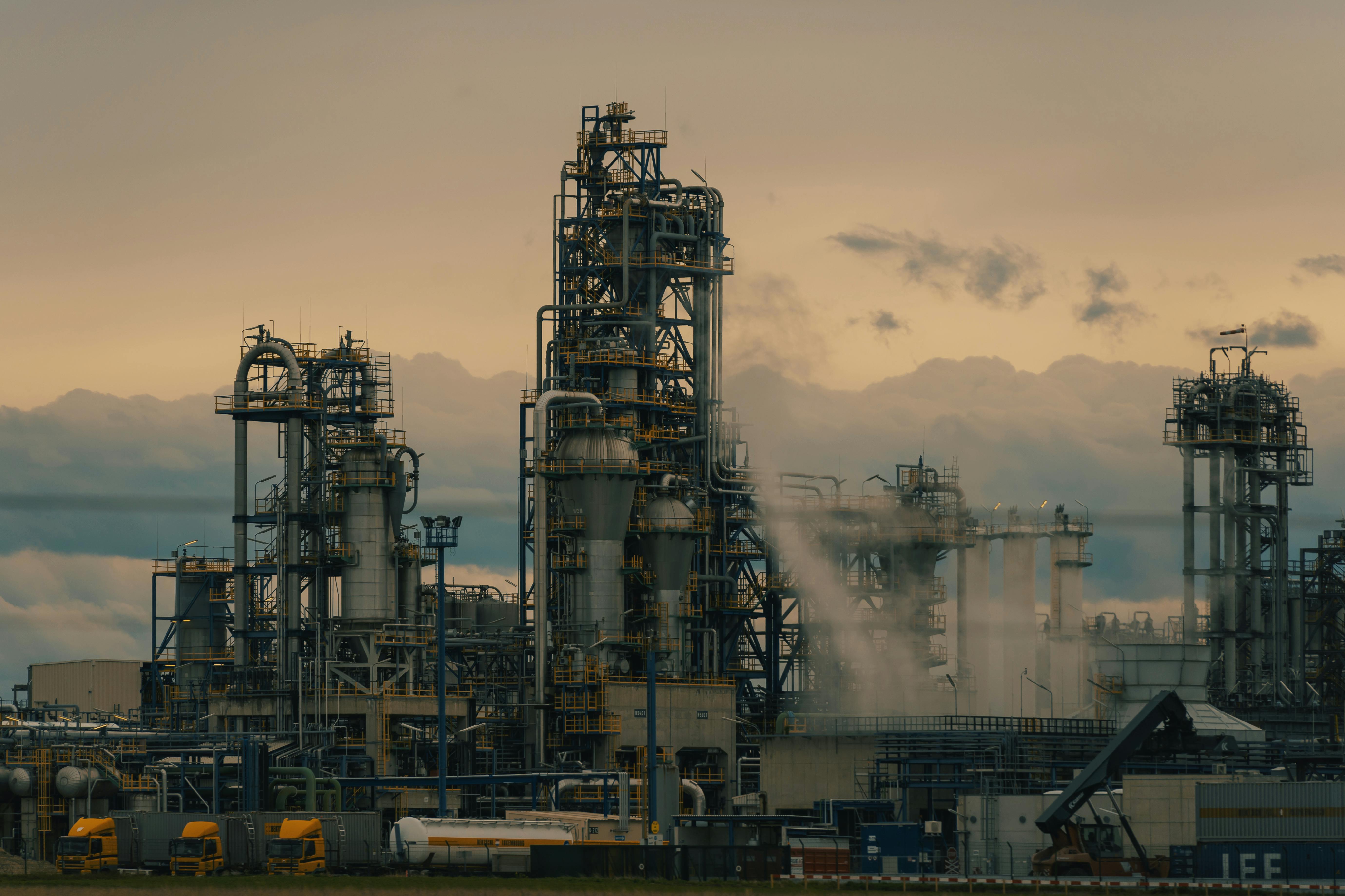
Photo: Pointner, Michael (2022). Refinery Tower at Dusk. Retrieved from https://www.pexels.com/photo/refinery-tower-at-dusk-15893881/.