
By Nazneen Rahaman
On 8th December 2023, the Government of Assam in northeastern India sanctioned the resumption of buffalo and bulbul bird fights, after a nine year ban imposed by the Supreme Court. In 2014, the Supreme Court had banned any events that violated India’s 1960 Prevention of Cruelty to Animals Act, not just including buffalo and bulbul fights but a host of other events including bull cart racing. However, in 2023, the Supreme Court invested the power in each state to reinstate certain events, providing there were proper measures in place ensuring the protection of animals. This devolution of power allowed the Assamese Government to reintroduce buffalo and bulbul (or bulbuli) bird fights – a tradition in the mid-January harvest festival Magh Bihu. With this development comes a complex and divisive debate pitting tradition and cultural values against twenty-first century morality on animal cruelty.
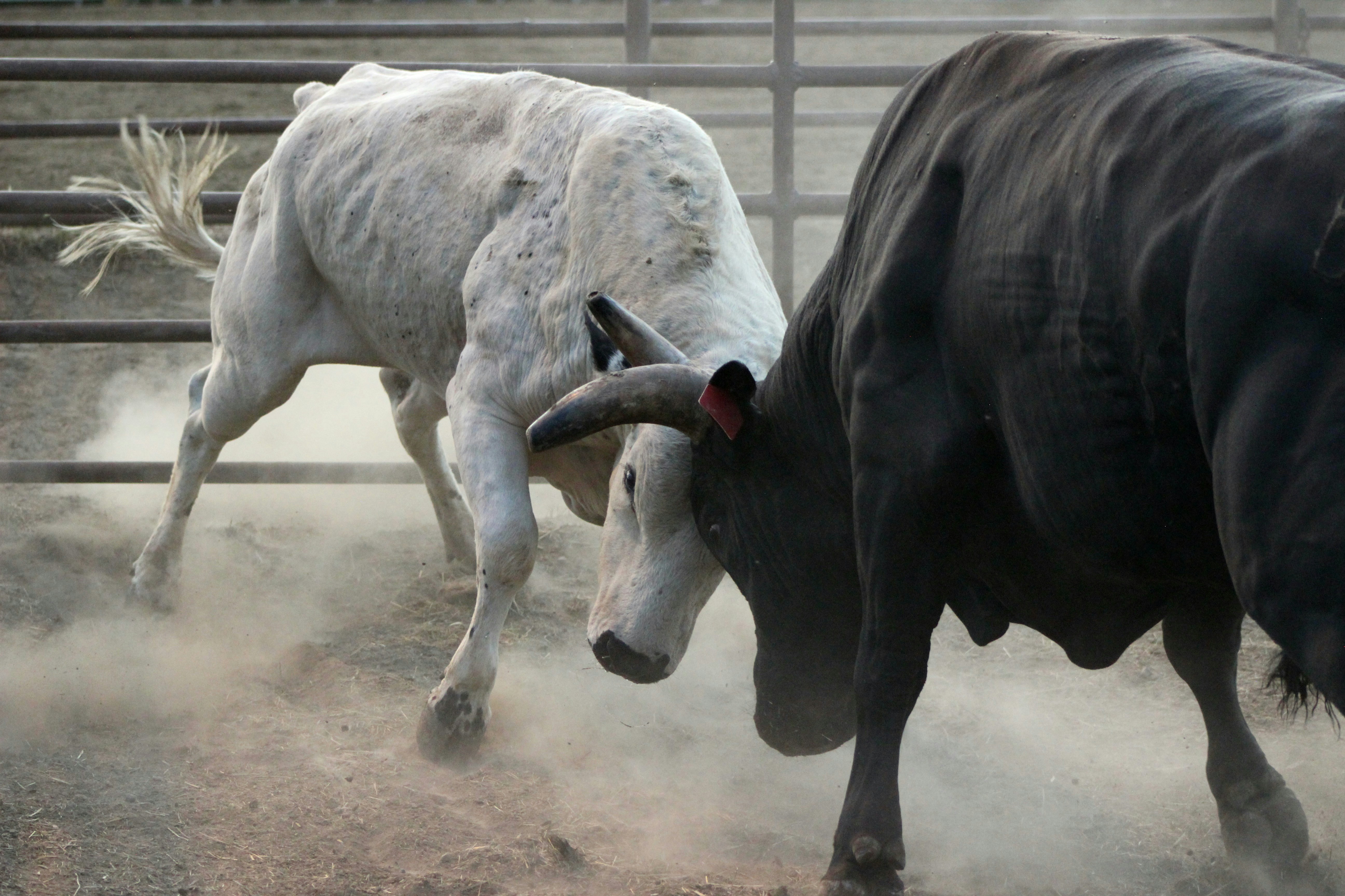
The bird fights date back to the eighteenth century, when the then-King observed two wild birds fighting. Now, locals catch wild birds shortly before the festival, train them, and release them at the conclusion of the event. For the bird fights, a cash prize of ₹3000 – less than £30 – is awarded to the winner’s owner, as determined by the three judge panel. One organiser, Dijen Bharali, claims the fights are harmless for birds, noting that small bird fights tend to end within five to ten minutes after the birds are tired, with neither getting injured. While buffalo fights are a relatively recent event, they tend to garner more attention, attracting over 10,000 spectators (with bird fights luring a mere 3,000 in comparison). Medical assistance is available on stand-by for emergencies, and buffaloes have been known to get injured, especially due to the locking of their horns, despite the measures taken to avoid injuries.
After a considerable amount of pushback from wildlife activists, the cabinet of Assam released the Standard Operating Procedure for such fights. Certainly, some aspects of this legislation may play an important role in reducing incidents of animal cruelty, such as “providing food and water to the birds”, “close monitoring by the organising committee”, and releasing the birds in perfect condition after the event. Yet, other aspects of the legislation can read as tokenistic and vague. Guidelines such as “ensuring the safety of Bulbuli birds” and “conducting the games in a well-disciplined manner” might well be criticised as inherently at odds with the nature of the event itself. A similar, but slightly stricter, set of rules was laid out for buffalo fights, requiring veterinary teams on site and reducing elements of cruel interference such as drugging and intoxicating the animals or inciting violence with weapons. Violating these guidelines can result in a five year ban on the event, as a whole, suggesting some degree of seriousness of reform. And the fights are only allowed in regions with at least a twenty-five year history of organising such events, pointing again to the push and pull of tradition and modern morality.
Despite these rules, activists argue that organising such events in the name of tradition is primitive, medieval, and a form of torture for the animals. At a time when, in many parts of the world, environmentalism, nature conservation, and awareness for animal endangerment is on the rise, this turn to the past is being seen as backwards and damaging.
PETA stressed that “buffaloes and bulbul birds are sentient animals capable of experiencing fear, anxiety, and pain, much like humans. Additionally, their physical attributes, such as dark colour and limited sweat glands, make them susceptible to heat stress and unsuitable for physical exertion.” In a letter to the Supreme Court, they condemned the government’s decision arguing that it violates a number of charters, from the 1960 Act of Prevention of Cruelty to Animals, and the Environment Ministry’s 2012 act prohibiting the use of bulls as performing animals.
The Guwahati High Court have continued with attempts to justify and curtail the fights, emphasising that they would only be held during the festival, from the 15th to 25th January. However, PETA have remained unsatisfied by this ruling, noting that unauthorised fights continue to take place in the state and pointing to an event scheduled from the 4-5th February in Hatigarh.
Beyond flimsy guidelines and government rulings, more evidence has emerged of animal cruelty as more light has been shed on the issue via the media. A recent report found that to encourage buffaloes to fight, owners abuse the animals by slapping, prodding, or pulling by nose ropes to set them into fighting mentality. Similarly, despite the regulations, bulbul birds were being starved in the days preceding their fights, with bananas dangled over them during the fight to incite violence. There can be little doubt, not only that this behaviour is unethical, but also that it is in explicit violation of the guidelines – still, no governing body has intervened.
While this debate is still on-going, many locals in favour of the supposed traditions, argue that this is embedded deep in the local culture, and such cultural traditions should be preserved. Furthermore, these events are usually held in large, open grounds, or outside temples, with locals finding justification for the events in the supposed traditional religious value they hold, despite their relatively short history dating back only twenty-five years. Indeed, some doubt should be cast over the modern morality versus tradition debate, given that even at the inception of these events modern notions of morality on animal cruelty were well established. In fact, arguments by environmentalist philosophers like Peter Singer were rife in the 1970s, and animal rights organisations emerged shortly after with PETA being founded in 1980.1
In terms of legislating back against this, jurisdiction now lies with the State Government. Since the Supreme Court has only recently devolved power to the State Government, it seems unlikely that PETA’s letter will cause a u-turn, especially given the Assamese Government has reasserted that no harm will come to the animals. Still, with support to bring back the ban from major corporations and news outlets in India such as the Economic Times and Al Jazeera, there is some hope for the animal rights activists and the proponents of modern morality.
The views expressed in this article are the author’s own, and may not reflect the opinions of The St Andrews Economist.
Image Source: Unsplash.com
- Peter Singer, Animal Liberation Now: A New Ethics for Our Treatment of Animals, (New York, 1975) ↩︎