
By Laura Gillies
Energy transition is underway, and both Europe and the US are embarking on this journey with distinct policy frameworks. However, the question looms large: does this signal the end for traditional fossil fuel companies as the world shifts towards electrifying transportation and heating? Not quite. The transition is a complex process that demands time, investment, and technological advancement. It’s likely that your electric car may still rely on fossil fuels in some regions until the transition is complete. In this article, we explore the current landscape of fossil fuel companies, focusing on coal, oil, and gas, and the challenges they face in adapting to the changing energy landscape.
Coal: Privatization and Ongoing Use
While coal continues to be mined and burnt in both Europe and the US, the landscape has shifted. The ownership of coal resources has transitioned primarily to private companies as demand declines, as major mining corporations like BHP and Rio Tinto have divested their interests. The coal industry is undergoing transformation and focusing on cash while the resource is still available, but it remains a significant part of the energy mix in various regions. China and India remain a notable exception, with frequent coal power plant development to support their rapid growth and access to low-cost energy.
Oil and Gas: Diverging Paths
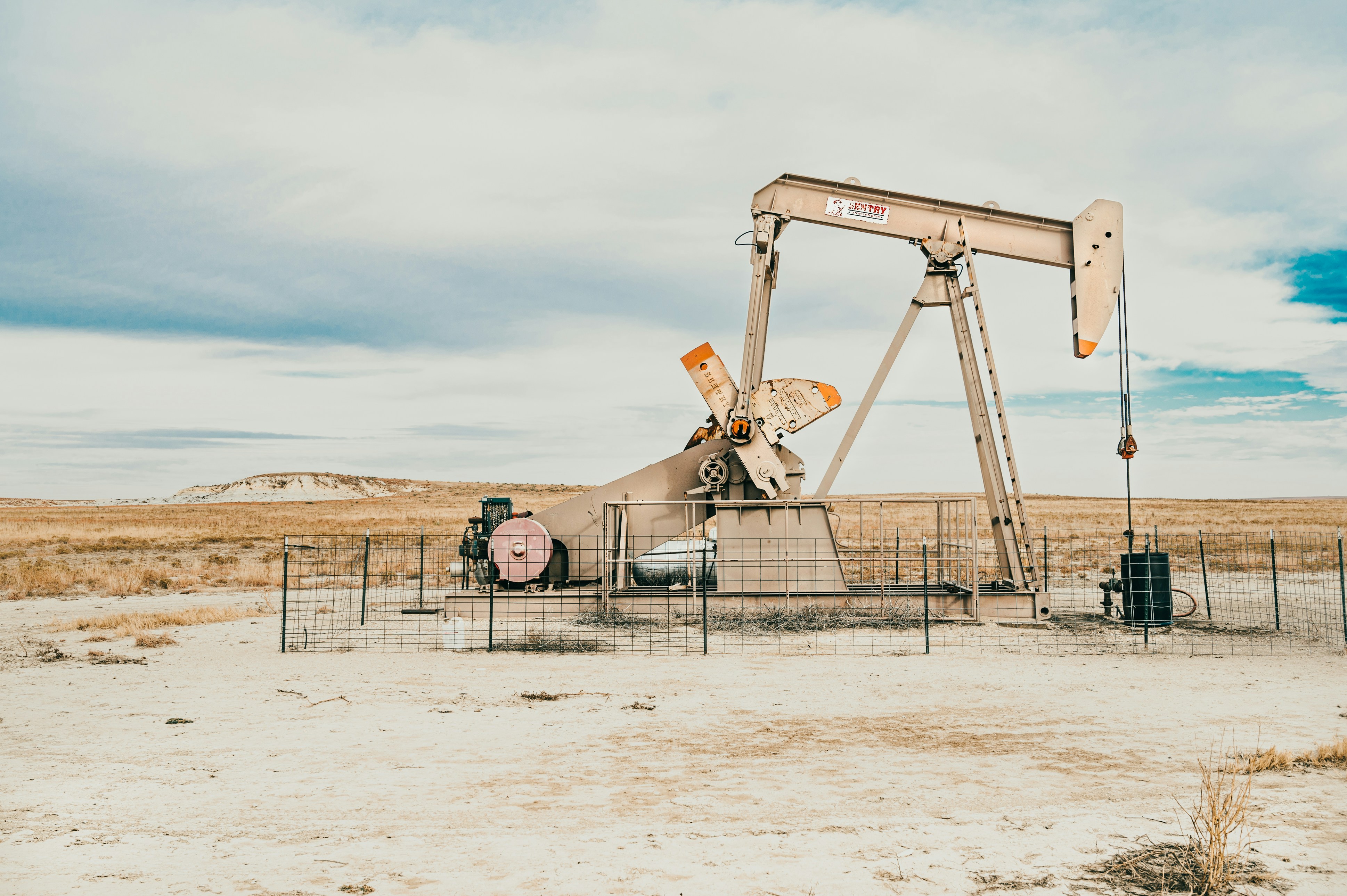
In contrast to coal, oil and gas companies have not experienced the same level of transformation. Middle eastern national oil companies, and their nations, continue to prosper from oil and gas revenues, especially due to the geopolitically influenced high prices resulting from events such as the Russian-Ukraine and the Gaza middle situation. European and US-based companies appear to be taking different routes.
U.S. Developments:
Recent developments, such as Exxon’s acquisition of Pioneer, a major shale focused drilling company, and the Chevron-Hess combination, signal a shift toward production and reserve growth. Historically, such actions triggered international consolidations, often led by European firms like BP. However, the question now is whether European companies can actively participate in this wave of consolidation.
Challenges for European-Based Oil and Gas Companies:
Investors and financiers have either abandoned European-based oil and gas companies or voiced their strong desire for these companies to embark on a path of renewal and transition. This leaves these companies in a dilemma: do they participate in consolidation efforts, potentially acquiring shale producers in the US (a move that could draw criticism in Europe), or do they turn to consolidation amongst themselves? Combining companies with diverse cultures like BP and Repsol may be challenging. Alternatively, they could consider merging with companies in their own geographical regions, such as BP and Shell, though competition concerns would need to be addressed. Other options involve diversifying into electricity generation or even entering retail markets to offer comprehensive energy solutions to customers. However, these transitions are far from straightforward, as electricity companies are typically national, heavily regulated, and subject to political influences.
Overall, traditional fossil fuel companies find themselves at a crossroads as the energy transition gathers momentum. The recent moves in the US, like Exxon’s acquisition of Pioneer, have put pressure on boards and CEOs of these companies to strategize for their future. Adapting to a world of electrification and renewable energy sources presents unique challenges and complexities. The path forward for these companies will be shaped by their ability to embrace change, navigate cultural differences, and address competition issues while striving to remain viable and relevant in an evolving energy landscape. The journey may be arduous, but it is essential for a sustainable and greener future. What is sure is that Boards and CEOs, driven by the Exxon move in the US will be burning the midnight oil – pun intended – as they grapple with remaining both viable and relevant.
The views expressed in this article are the author’s own, and may not reflect the opinions of The St Andrews Economist.
Image source: Unsplash